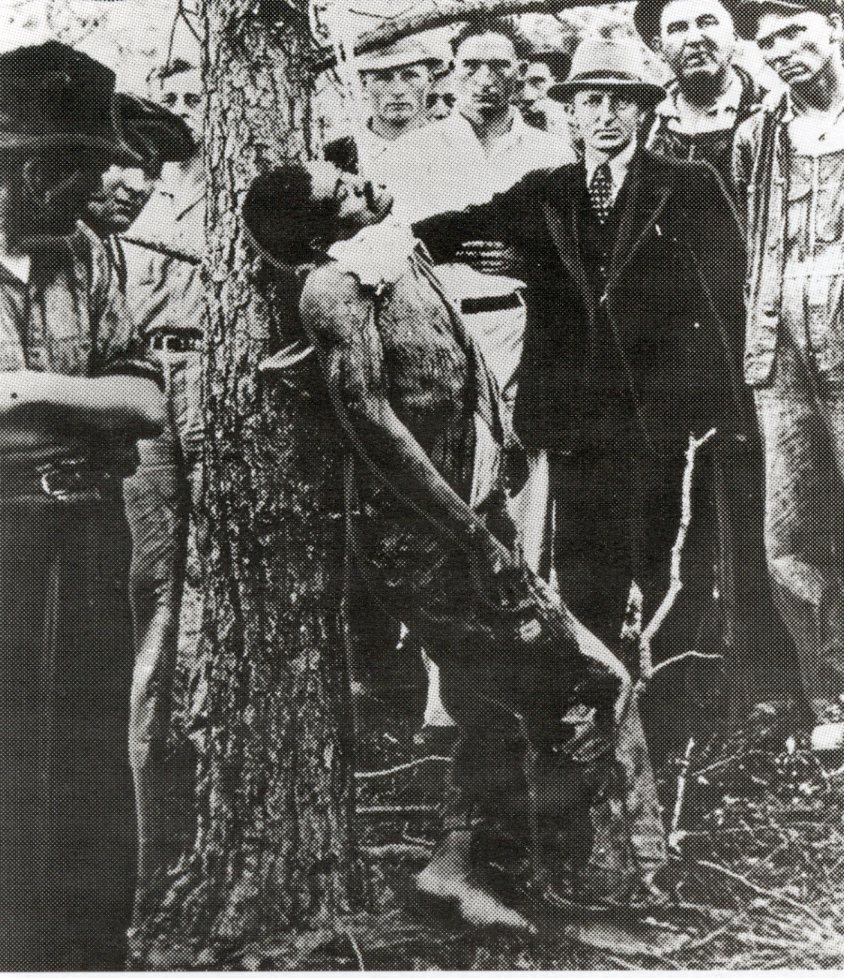
This is a history of hate in America — not the natural discord that characterizes a democracy, but the wild, irrational, killing hate that has led men and women throughout our history to extremes of violence against others simply because of their race, nationality, religion or lifestyle.
Since 1865, the Ku Klux Klan has provided a vehicle for this kind of hatred in America, and its members have been responsible for atrocities that are difficult for most people to even imagine. Today, while the traditional Klan has declined, there are many other groups which go by a variety of names and symbols and are at least as dangerous as the KKK.
Some of them are teenagers who shave their heads and wear swastika tattoos and call themselves Skinheads; some of them are young men who wear camouflage fatigues and practice guerrilla warfare tactics; some of them are conservatively dressed professionals who publish journals filled with their bizarre beliefs — ideas which range from denying that the Nazi Holocaust ever happened to the contention that the U.S. federal government is an illegal body and that all governing power should rest with county sheriffs.
The Klan itself has had three periods of significant strength in American history — in the late 19th century, in the 1920s, and during the 1950s and early 1960s when the civil rights movement was at its height. The Klan had resurgence again in the 1970s, but did not reach its past level of influence. Since then, the Klan has become just one element in a much broader spectrum of white supremacist activity.Released in 1915, Birth of a Nation was a cinematic masterpiece that set new standards for the fledgling film industry. The story it tells fits perfectly into the version of history the Klan preaches. A romantic version of the Klan was depitced as heroes protect White America from the ‘beast’ that were the negro. Birth of a Nation lead to the boom in Klans members as immigrants came in hoards.
The Klan launched a campaign of terrorism in the early and mid-1920S, and many communities found themselves firmly in the grasp of the organization. Lynching’s, shootings and whippings were the methods employed by the Klan. Blacks, Jews, Catholics, Mexicans and various immigrants were usually the victims.However, not infrequently, the Klan’s targets were whites, Protestants and females who were considered “immoral” or “traitors” to their race or gender. In Alabama, for example, a divorcee with two children was flogged for the “crime” of remarrying and then given a jar of Vaseline for her wounds. In Georgia, a woman was given 60 lashes for a vague charge of “immorality and failure to go to church”; when her 15-year-old son ran to her rescue, he received the same treatment. In both cases, ministers led the Klansmen responsible for the violence. But such instances were not confined to the South. In Oklahoma, Klansmen applied the lash to girls caught riding in automobiles with young men, and very early in the Klan revival, women were flogged and even tortured in the San Joaquin Valley of California.
In a period when many women were fighting for the vote, for a place in the job market and for personal and cultural freedom, the Klan claimed to stand for “pure womanhood” and frequently attacked women who sought independence.


No comments:
Post a Comment