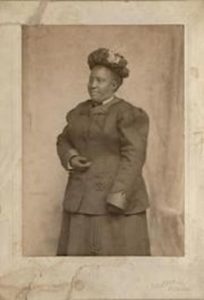
Born a free woman to an affluent African American couple who were also abolitionists, Sarah Mapps Douglass became an educator, activist, abolitionist, and artist. She and her mother, Grace Bustill, were among the prominent women who founded the Philadelphia Female Anti-Slavery Society, in 1833. This organization became a focus of her activism for most of the rest of her life; it included both Black and White women, working together to educate themselves and others, both through reading and listening to speakers, and to promote action to end enslavement, including petition drives and boycotts.
“My Friends—My People—My Brethren—My Sisters:
How important this occasion is for which we have assembled ourselves together this evening. Feeding the starvation of our minds, to be expressing such deeds of mercy, words of peace; to stir up in the gratitude to God for his increasing goodness, and feeling of deepening sympathy for our brethren and sisters, whom in this land of Godly light and liberty are held in bondage and degraded. We are here because their cause is not their own!
An English writer once wrote, “We must feel deeply before we can act rightly; from that absorbing, heart-rendering compassion for ourselves springs a deeper sympathy for others, and from a sense of our weakness and our own upbraidings arises a disposition to be indulgent, to forbear, to forgive.”
This is my experience.
The wails of the captive ring in my ears amid my happiness, and cause my heart to bleed for his wrongs.
Alas!
My impression is as evanescent as the early cloud with the smell of morning dew. However, I stand with this smile in the face of my oppressor. I once beheld the sight of the oppressor lurking on the border of my own peaceful home. I saw his iron hand stretched forth to seize me as his prey, and the cause of the slave became my own.
With the help of the Almighty Lord, I look to a higher power to elevate the character of my wronged and neglected race. As I no longer detest the slaveholder, but only pity and pray for him.
Has he not seen the error of his ways?
Do the cries not echo in his ears as he lays lashes to the backs of women and children?
Does the blood on his hands not make him weak, as he takes the manhoods and lives of his negro men?
Does the cracking of necks not bother him amidst his lynching mob?
Have you not felt, as my aching heart has, for such a hideous subject? I am assured some of you have.
And now, it is my wish that as intellects that we direct our concern to the cruelty that recks havoc at this very moment, in this very country we call home.”


